Inkjet Batch Date Coding..
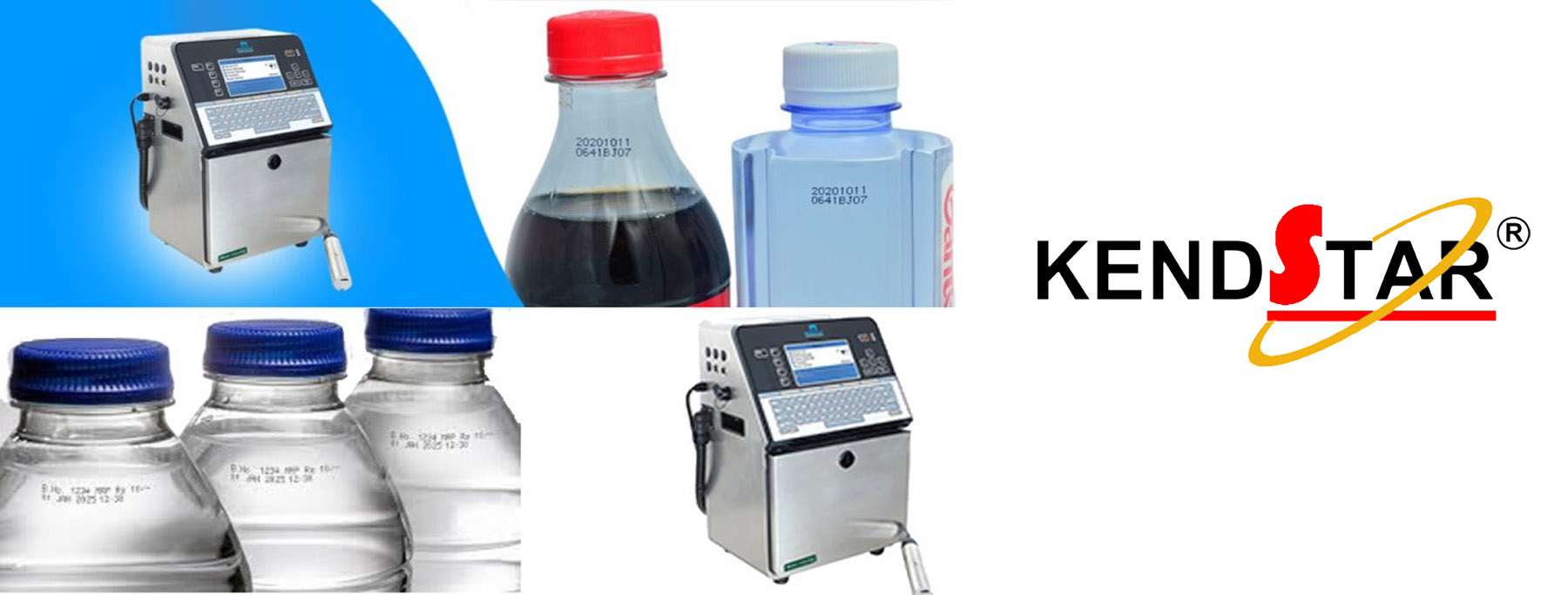
Here is a detailed specification and comparison of Batch/Date Coding Machines – specifically Inkjet and Laser coders – widely used for printing manufacturing dates, expiry dates, batch numbers, QR codes, and barcodes on products or packaging materials.
🖨️ 1. Inkjet Batch/Date Coding Machine Specifications
🔹 Continuous Inkjet (CIJ) (Most common for FMCG, bottles, etc.)
Feature | Specification |
Technology | Non-contact continuous inkjet |
Printing Speed | Up to 300 m/min (depends on model and content) |
Print Content | Date/time, batch number, alphanumeric codes, logos, barcodes |
Characters per Line | Typically 1–5 lines |
Ink Type | Solvent-based or water-based inks (black, white, UV, food-grade) |
Ink Colors | Black, white, red, yellow, blue, UV-visible |
Substrates | PET, glass, metal, foil, HDPE, cartons |
Font Sizes | 0.8 mm to 20 mm |
Control Interface | Touchscreen (7″–10″), some with keyboard or USB input |
Connectivity | USB, Ethernet, RS232 |
Power Supply | 100–240V AC, 50/60 Hz |
Environment | IP55 or IP65 for dusty/wet conditions |
Maintenance | Requires regular cleaning/flushing; consumables needed (ink, solvent) |
Popular Brands | Videojet, Domino, Linx, KGK, Hitachi, Markem-Imaje |
🔸 Thermal Inkjet (TIJ) (Good for cartons/labels)
Feature | Specification |
Print Technology | Drop-on-demand (cartridge-based) |
Resolution | Up to 600 dpi |
Print Height | Up to 12.7 mm per head |
Inks | Fast-dry inks, water/solvent/UV based |
Application | Labels, cartons, pouches, paperboard, plastics |
🔥 2. Laser Batch/Date Coding Machine Specifications
Feature | Specification |
Technology | CO₂ / Fiber / UV Laser (depending on material) |
Marking Speed | Up to 900 characters/sec |
Print Resolution | 300 – 600 dpi |
Content | Batch, MRP, logos, expiry, barcodes, QR codes |
Marking Area | 100×100 mm to 300×300 mm (depends on lens) |
Materials Supported | PET, glass, paperboard, aluminum, metal, flexible films |
Laser Power | 10W to 60W typical (higher for metal) |
Cooling | Air or water-cooled |
Lifespan | 20,000 – 100,000 hours |
Interface | Touchscreen HMI, USB/Ethernet |
Environmental Protection | IP54 to IP65 for industrial settings |
Safety | Class I or IV (shielding required for high-power models) |
Maintenance | Minimal – no ink/solvent required |
Popular Brands | Domino, Videojet, Telesis, Macsa, REA JET, KGK |
🆚 Inkjet vs Laser Coding: Quick Comparison
Feature | Inkjet | Laser |
Initial Cost | Low to Medium | High |
Running Cost | High (consumables) | Very Low |
Maintenance | Frequent (cleaning, ink refilling) | Minimal |
Print Durability | Moderate (can fade/smudge) | High (permanent) |
Speed | Very High (CIJ) | High |
Substrates | All (depends on ink type) | Needs correct laser type for each material |
Environmental Impact | Uses chemicals (solvent) | No consumables (eco-friendlier) |
Best For | Bottled water, food pouches, flexible packaging | Pharma, beverages, cosmetics, high-end packaging |
✅ Typical Applications
Industry | Common Choice |
Bottled Water / Beverages | CIJ Inkjet or CO₂ Laser |
Food Packaging (pouches, cartons) | TIJ or CIJ |
Pharmaceuticals | UV Laser or TIJ |
Metals / Hard Plastics | Fiber Laser |
Cosmetics / Premium Branding | Laser (permanent, clear) |